Club/Group Events
Read time:
Under 5 minutes
Why do savvy people love puzzle-based social events?
TL;DR: Puzzle-based social events (from games nights to escape rooms and Pubbles) trigger a massive dopamine release in the brain when you solve challenges. The shared problem-solving you get from being in a group activates the prefrontal cortex and releases oxytocin. These chemical reactions naturally bypass social anxiety, building rapid, genuine trust and deep social connection among adults.
Contents
What is the cognitive science behind puzzle-based social events?
Making friends as an adult can feel absolutely exhausting (not to mention nerve-racking if you're focused on making a good first impression). You often sit across a table and force small talk, just hoping a genuine connection sparks out of thin air.
Science shows use some biological shortcut to bonding. In this case, it involves actively solving 'problems' together - essentially working together on a mutual goal. When you focus on a shared challenge, your brain changes how it processes social interaction.
How do puzzles physically change your brain chemistry?
When you finally crack a difficult code, your brain rewards you instantly. Your nervous system releases a sudden rush of dopamine (the brain's built-in reward system) giving you that exact same buzz as finding a forgotten and hopefully-not-crusty twenty-dollar note in an old winter jacket. This neurotransmitter is responsible for making us feel happy, motivated, and engaged.
This biological reward system makes puzzle-solving highly satisfying. It leaves you feeling energised rather than drained at the end of the night. You are actively training your brain to associate your friends with these positive chemical rewards. Making them more appealing to you (and you to them).
Engaging in lateral thinking also physically alters your brain structure. It promotes neuroplasticity (think of this as your brain building a brand new, fast-moving scenic highway instead of sitting in the same old mental traffic) by forcing the brain to build new neural pathways. This also keeps your mind highly adaptable to unexpected real-world challenges - because you're training your mind to become a pro at solving problems as they come up.
Ok, but why does collaborative problem solving build rapid social trust?
Working together to solve a complex problem creates a unique psychological bond. You are sharing a heavy cognitive load (the total amount of mental effort and memory being used at one time). When your team succeeds, the brain releases oxytocin.
Oxytocin (often called the 'trust hormone' because it makes us feel safe, empathetic, and connected to others) is the exact hormone also responsible for human bonding. It forces you to communicate clearly and listen to alternative perspectives without judgment and builds trust between the group.
Can puzzle events actually reduce adult social anxiety?
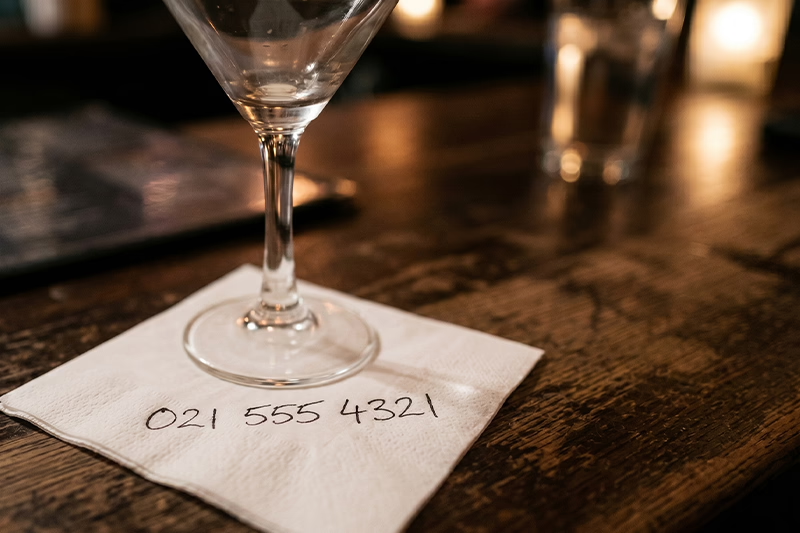
Psychologists often refer to the power of a 'third object' in social settings (like when you instantly bond with a stranger at a party because you are both petting the host's dog). When you meet someone new, staring directly at them creates high pressure. Puzzles and activities that require teamwork act as this vital 'third object'.
The puzzle absorbs the social pressure and gives everyone a safe, shared focus. You can look at the puzzle, jot down your thoughts, and test theories. This naturally bypasses the anxiety of direct conversation.
As a bonus, you learn exactly how your friends process information. This shared vulnerability makes you feel significantly closer to them. It provides a structured, safe environment for genuine personalities to shine.
And, if you find yourself puzzling with people you don't know that well, it works in much the same way! A lowering of the social walls we all keep and a reason to hi-five, celebrate and smile.
Frequently asked questions
Do lateral thinking puzzles improve neuroplasticity?
Yes. Engaging in novel problem-solving forces the brain to create new neural pathways. This adaptability strengthens the prefrontal cortex, improving your long-term cognitive health and everyday decision-making skills.
What hormones are released during group puzzles?
Your brain releases dopamine when a puzzle is solved, creating a positive reward loop. Working together also triggers the release of oxytocin, which naturally fosters empathy, bonding, and genuine trust among the group.
How do puzzles help adults bypass social anxiety?
Puzzles provide a shared focus that eliminates the pressure of forced small talk. This shared cognitive load acts as a psychological buffer. It helps adults form connections based on teamwork rather than stressful direct conversation.
Can puzzle events prevent long-term cognitive decline?
Yes. Regularly challenging your brain with logic and lateral thinking builds cognitive reserve. This structural brain resilience helps protect your neural pathways against age-related decline while keeping your mind sharp.
Researched (probably badly) and written by Marc Dudley
As a dedicated enthusiast and guide for the Pubble community, Marc uses his hands-on experience in graphic design and creative communication to help players navigate the modern challenge of finding genuine, active social connection in an overly digital world. Connect with Marc here
Think this might help friends or colleagues?